SELL YOUR ELECTRICAL TRANSFORMERS — TOP DOLLAR PAID
SellElectricalTransformer.com buys used, surplus, spare, and decommissioned electrical transformers throughout the United States. We evaluate dry-type, liquid-filled, pad-mounted, distribution, three-phase, isolation, step-up, step-down, and substation units from major manufacturers. A purchase and pickup plan depends on the equipment, condition, location, access, documentation, and current demand.
Start by sending the manufacturer, kVA or MVA rating, complete primary and secondary voltage, phase, serial number, quantity, condition, pickup city, and several clear photographs. The buying team can then identify missing details, review purchasing availability, and discuss the next step without guessing.
WHO BUYS USED ELECTRICAL TRANSFORMERS?
Specialized electrical-equipment buyers evaluate a complete transformer for potential reuse, refurbishment, project inventory, parts recovery, or responsible material recovery. That is different from a general scrap-yard review, which may focus mainly on metal weight. Whether a complete unit has additional value depends on its exact configuration and marketability.
Facilities, electrical contractors, utilities, property owners, distributors, demolition firms, and project managers contact transformer buyers when a unit becomes surplus after a voltage change, equipment upgrade, project cancellation, facility closure, inventory reduction, or planned decommissioning. Single units and multi-unit inventories can both be reviewed.
START WITH THE NAMEPLATE
A readable nameplate photo is the fastest way to communicate the transformer’s identity and rated design. Photograph the complete plate straight-on and avoid glare. Include the manufacturer, model or type, serial number, year when shown, kVA or MVA, primary and secondary voltage, phase, frequency, percent impedance, cooling class, winding material, fluid information, and weight. Do not open energized or secured compartments to obtain a photo.
Also photograph the entire transformer, bushings or terminals, radiators or fans, gauges, enclosure openings, visible corrosion, leaks, missing parts, and other damage. The transformer nameplate guide explains which fields and views reduce follow-up questions.
WHAT TYPES OF TRANSFORMERS DO WE BUY?
- Dry-type transformers, including ventilated, enclosed, cast-coil, and specialty designs
- Liquid-filled transformers, including distribution, power, and substation equipment
- Pad-mounted transformers in single-phase and three-phase configurations
- Distribution transformers, including pole, pad, and vault applications
- Three-phase transformers with complete voltage and connection information
- Isolation and specialty transformers used in commercial and industrial systems
- Step-up, step-down, autotransformer, network, grounding, and large power-transformer designs
HOW DOES THE SELLING PROCESS WORK?
- Send equipment details. Call, text, or submit the quote form with the nameplate data, quantity, condition, and pickup location.
- Add useful photographs. Include the complete unit, nameplate, visible condition, and the route from the equipment to a truck-accessible loading area.
- Review the evaluation. The buyer considers configuration, condition, documentation, current demand, and removal requirements before presenting terms.
- Confirm logistics in writing. Timing, payment method, disconnection responsibility, rigging, loading, transport, and site requirements should be agreed before equipment moves.
WHAT AFFECTS A TRANSFORMER EVALUATION?
The most important factors are the exact voltage configuration, power rating, phase, manufacturer, age, condition, operating history, test records, accessories, quantity, oil or PCB documentation when applicable, and current reuse demand. Location and physical access also matter because a transformer may require a forklift, crane, rigging crew, loading dock, doorway clearance, permits, or specialized transportation.
Do not drain unknown transformer oil, remove components, or commit a complete unit to scrap before the equipment and documentation have been reviewed. For liquid-filled units, retain labels, laboratory reports, service records, and any documents tied to the serial number. Review the transformer oil guidance before changing the condition of the unit.
MANUFACTURERS WE EVALUATE
Transformer inquiries may include equipment made by ABB, Siemens, General Electric, Eaton, Square D or Schneider Electric, Westinghouse, Cooper Power Systems, Howard Industries, Hammond Power Solutions, Acme Electric, Jefferson Electric, Rex Manufacturing, Federal Pacific, Delta Star, Virginia Transformer, and other manufacturers. The brand is one data point; the complete nameplate and condition determine what can be evaluated.
FREQUENTLY ASKED QUESTIONS
Can a nonworking or obsolete transformer be reviewed?
Yes. Describe the known fault, missing parts, leaks, fire or water exposure, storage history, and whether the unit is complete. Purchase availability depends on the specific equipment and recovery options.
Can transformers that are still installed be evaluated?
Yes, but include the service status, disconnection plan, indoor or outdoor location, floor level, doorway or fence constraints, and available lifting access. A purchase discussion is not authorization to disconnect energized equipment.
What is the fastest way to request a review?
Send a clear nameplate photograph, complete-unit photographs, pickup city and state, quantity, condition, and a callback number through the transformer quote form, or call (951) 903-9804.
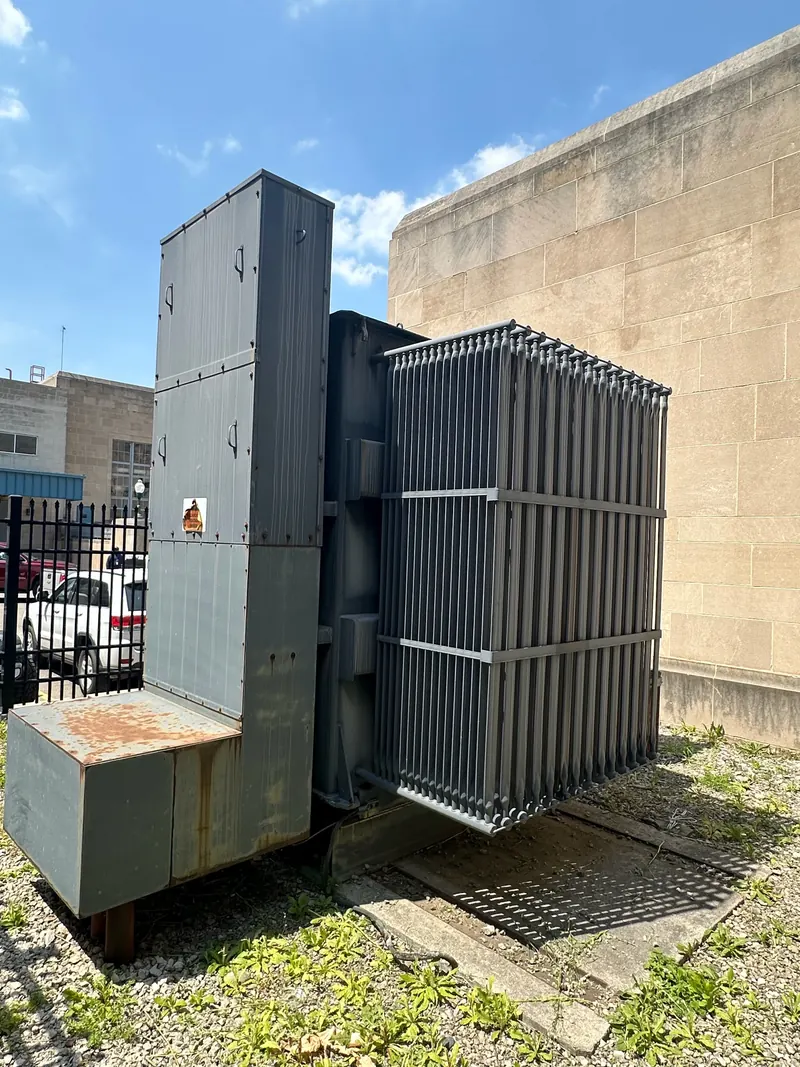
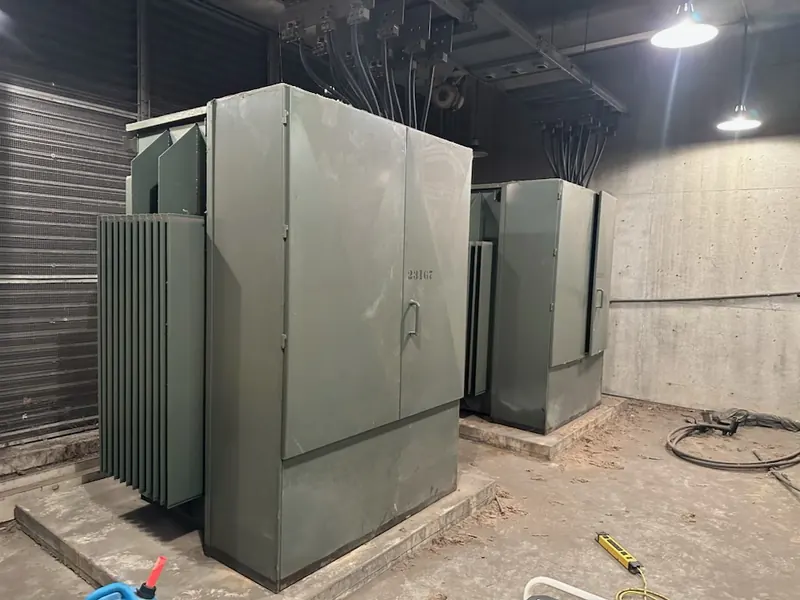
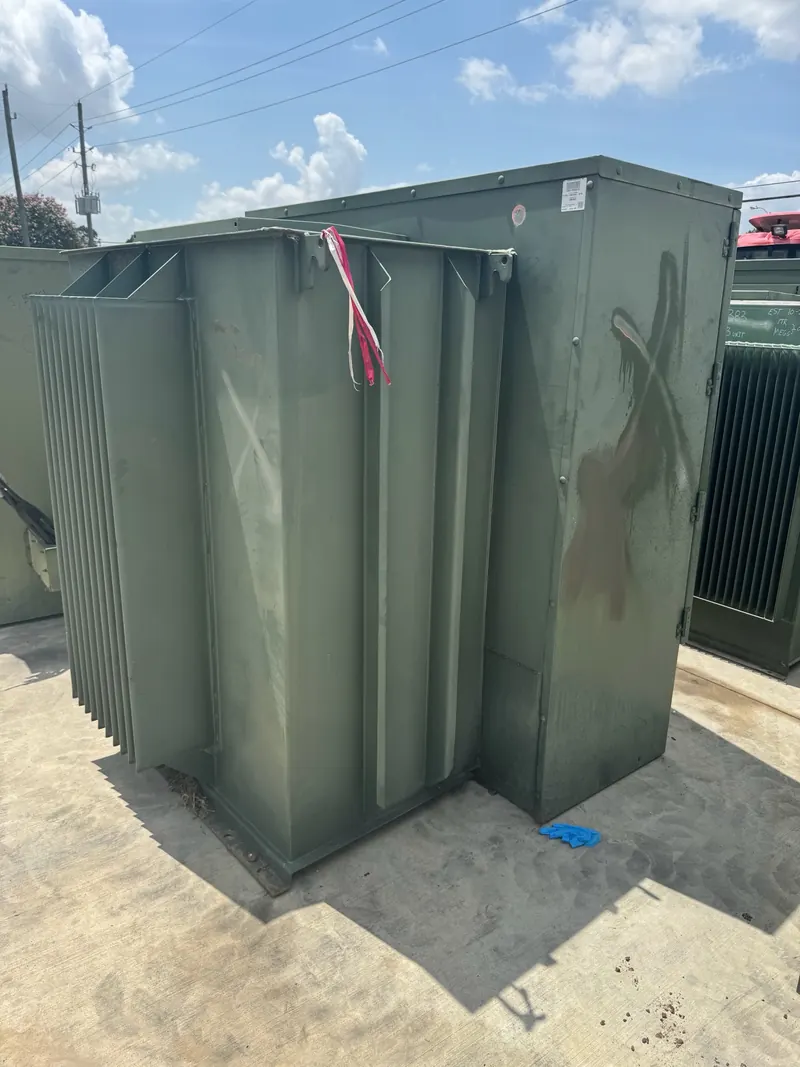
Used Transformers in Actual Operating and Inventory Settings
Original business photographs published with owner authorization.